
Grief support for men does not get enough attention. The conversation about grief, healing, and emotional support has been built largely around frameworks that work well for some and leave many men feeling like they do not fit into what support is supposed to look like.
Men grieve deeply. They carry loss in real, significant ways that affect their health, their relationships, their work, and their sense of who they are. And they are often doing it alone because the culture around them has not made it easy to do anything else.
This page is for the man who is tired of carrying it alone.
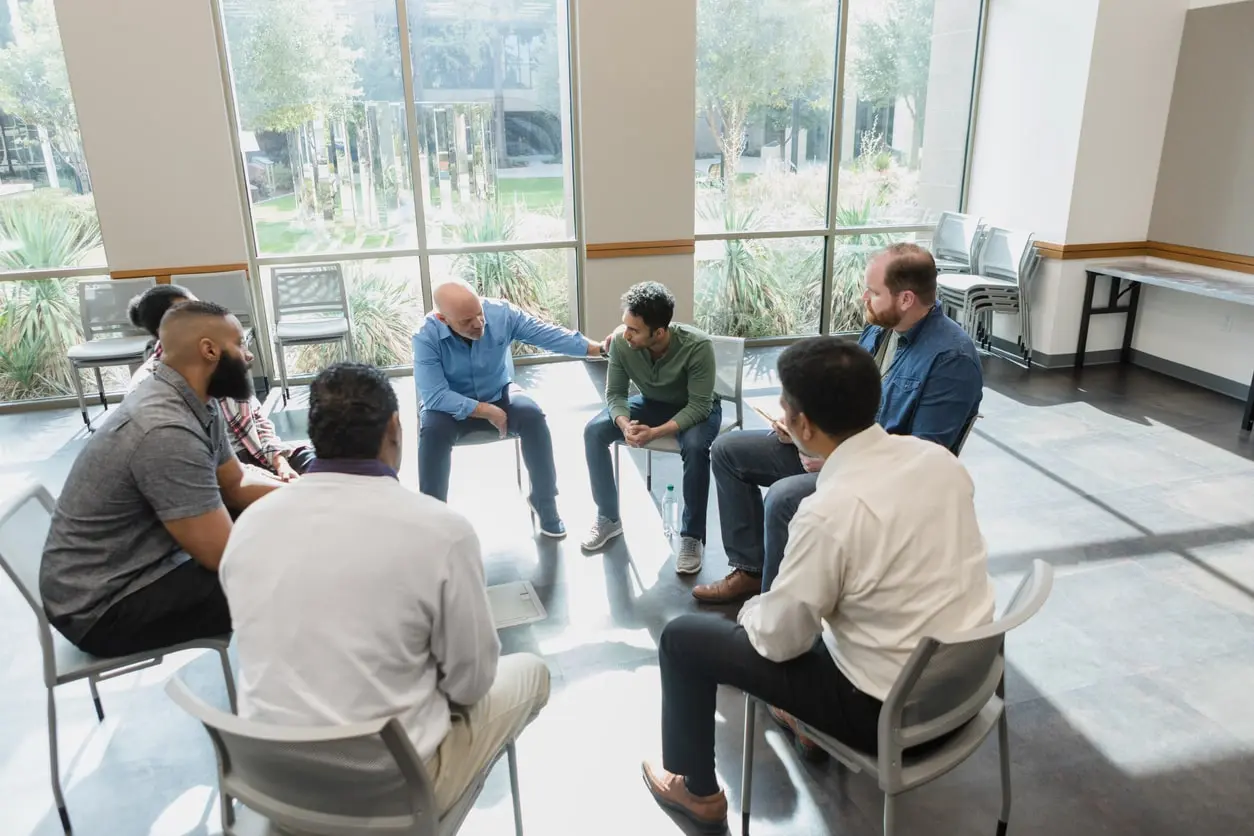
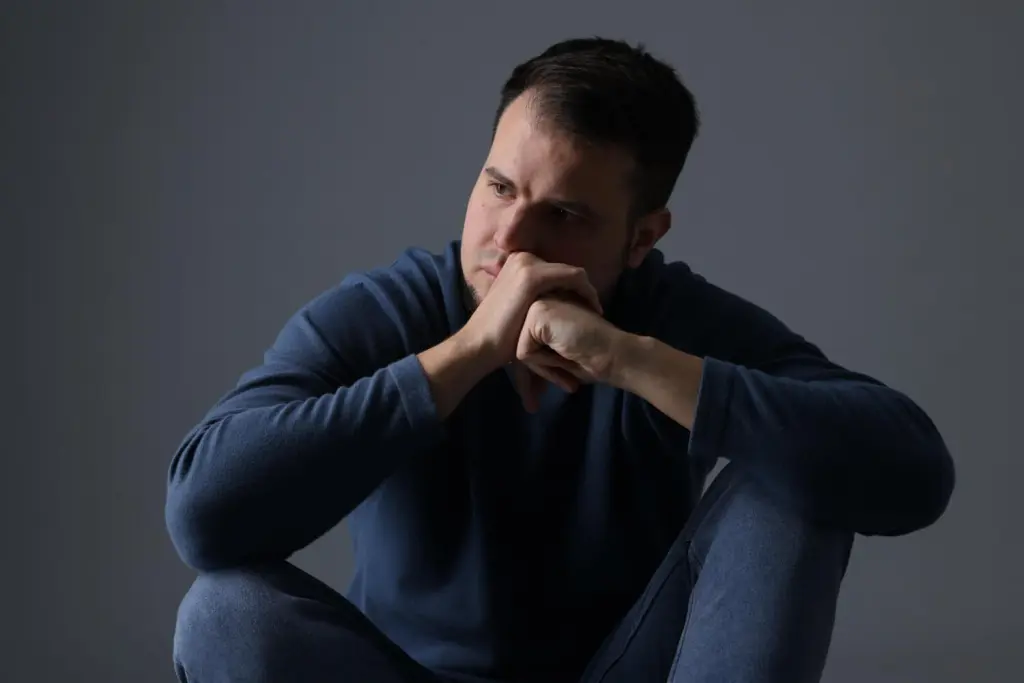
Grief for men often presents differently than the cultural image of grief would suggest. It is not always tears and open expression. Sometimes it is distance. Irritability. A kind of numbness that makes a man feel like he is watching his own life from behind glass. Throwing himself into work, into physical activity, into anything that keeps him moving and keeps him from having to sit with what he is feeling.
This is not weakness. It is a learned response to years of being told, explicitly and implicitly, that emotional expression is not something men are supposed to need or show.
Men who have lost a partner, a parent, a child, a close friend, or a significant relationship often describe a particular kind of loneliness in their grief. The people around them want to help but do not always know how to. The things that are supposed to help, talking about it, being vulnerable, seeking support, can feel foreign or even threatening to a self-concept built around self-sufficiency and strength.
The result is grief that gets suppressed, stored, and eventually expressed sideways in ways that harm the man’s relationships and his own wellbeing.
Men who are navigating significant loss are often dealing with several interconnected challenges.
There is the grief itself, which is real and often more intense than they allow themselves to acknowledge. There is the pressure to keep functioning, to hold things together for the people around them, to be strong in circumstances that would bring anyone to their knees.
There is the social isolation that can come with grief. Men’s friendships, while real and meaningful, are often not structured around emotional support and disclosure. The depth of conversation needed to actually process a major loss may not have a natural container in a man’s existing relationships.
There is also the identity disruption that grief can produce. The loss of a partner, a parent, or a role that was central to a man’s sense of himself can leave him uncertain about who he is without that relationship or structure in place.
And there is often a practical dimension too. Men who have lost a spouse may find themselves managing domestic responsibilities they previously shared. Men who have lost a parent may suddenly be in a new role in their family structure. All of this while carrying the emotional weight of the loss itself.

Gina’s approach to working with men in grief is grounded in respect for how men actually experience and process loss, not in an assumption that everyone grieves the same way.
She does not require emotional performance. She does not push for expressions of vulnerability that feel foreign or manufactured. She meets each client where he is and works with how he actually processes, rather than against it.
Her coaching creates a space where a man can speak honestly about what he is experiencing without judgment, without being told what he should be feeling, and without the pressure to fit his grief into a framework that was not built for him.
Gina helps male clients understand what they are carrying, develop practical tools for processing emotion in ways that feel accessible rather than threatening, and begin building a path through the grief toward a life that is still full and meaningful.
Men who engage in grief support with Gina describe a significant shift in how they are carrying the loss. Not eliminating it, but changing their relationship to it.
They describe feeling less like they are holding something that is about to overwhelm them and more like they have some capacity to move alongside it. They report improvements in sleep, in their ability to be present with the people they love, and in their overall sense of direction.
They also describe a kind of relief that comes simply from having spoken honestly about what has been happening inside them. For many men, the coaching relationship is the first space where they have been fully honest about the extent of what they are carrying. That honesty alone begins to change things.
The willingness to seek support when you are struggling is not the opposite of strength. It is one of the most honest expressions of it.
Your next chapter can begin today.