No one prepares you for this. Not really. You may have known it was coming, or it may have arrived without warning, but either way, nothing prepares a woman for the moment she realizes she is now in a life she did not choose and does not yet know how to live.
Support after losing a spouse is not about moving on. It is about finding a way to move forward while honoring everything the relationship was and everything its ending has cost you.
Gina is here to walk with you through that.
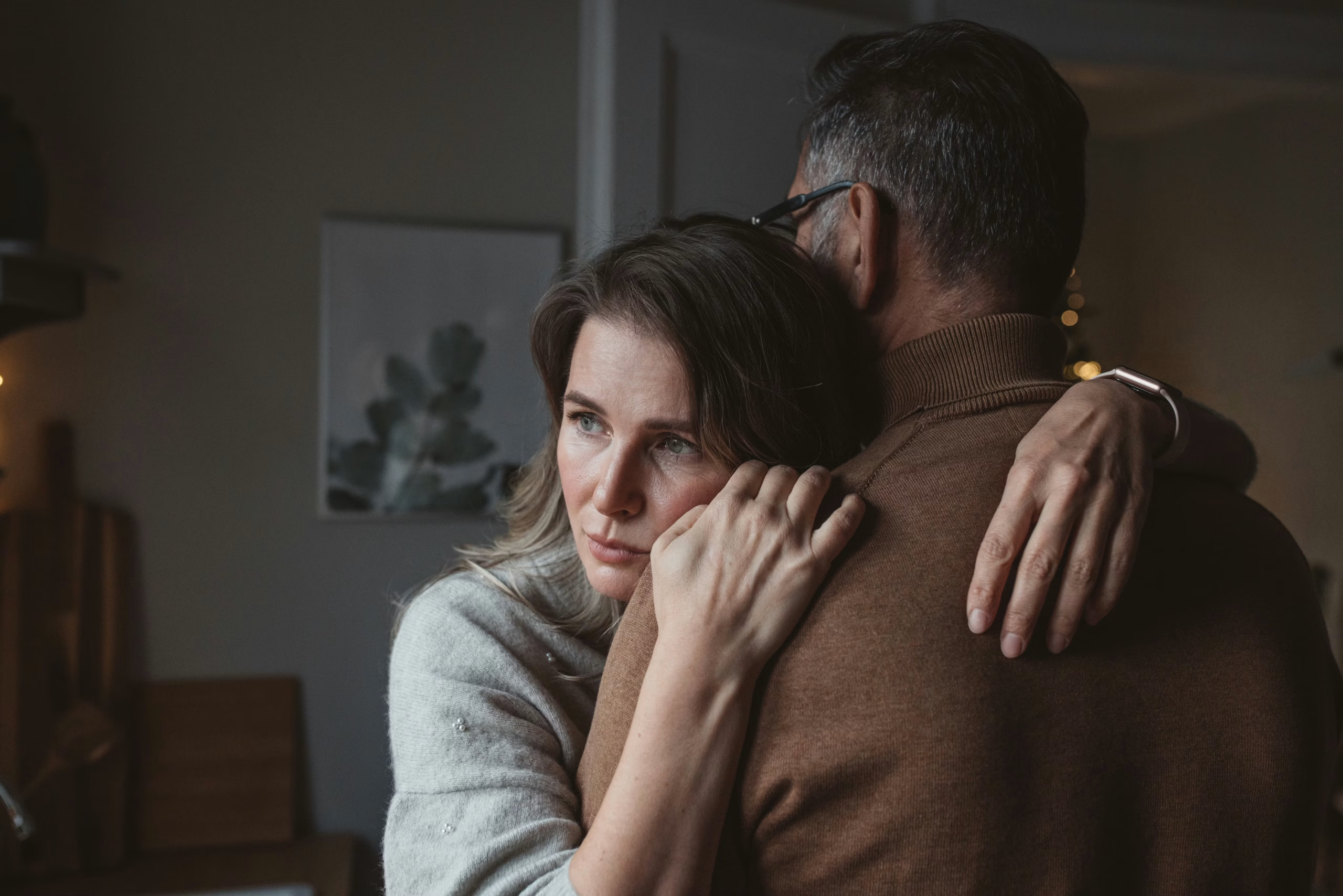
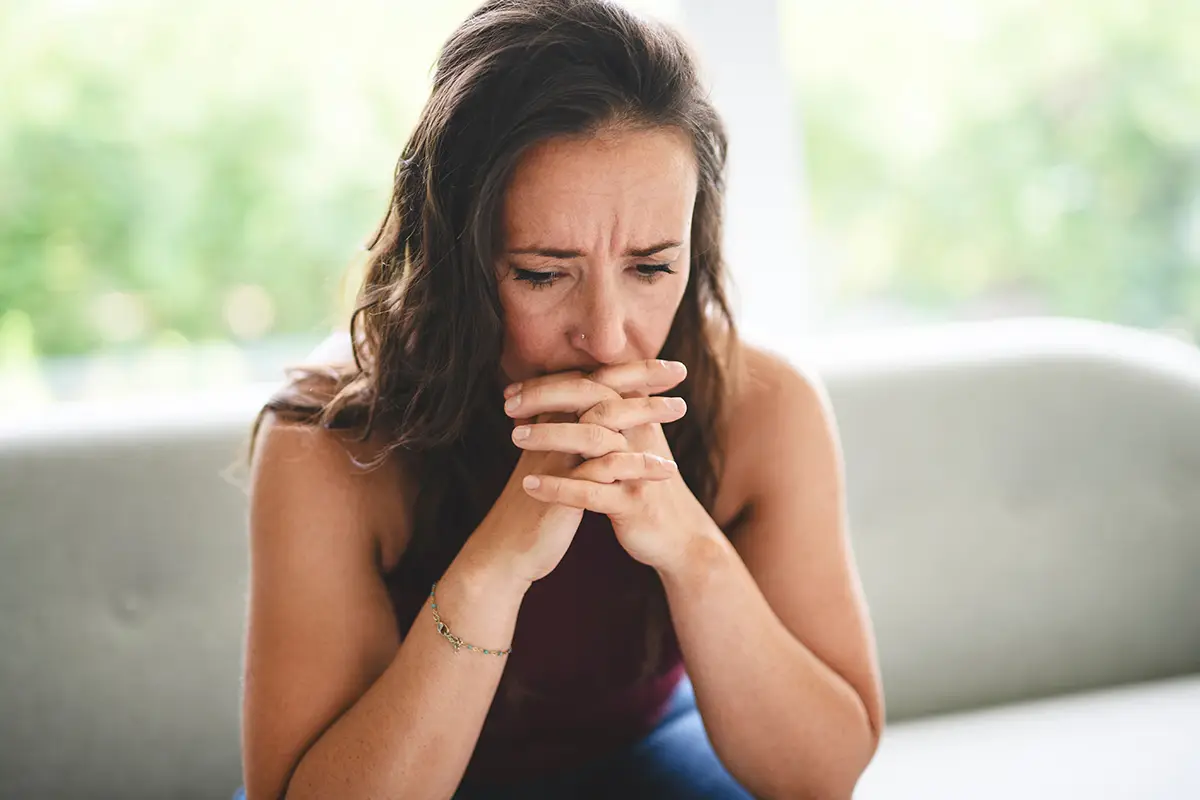
Widowhood is a grief that reshapes everything. It is not just the loss of a person. It is the loss of a shared future, a daily routine, a witness to your life, a presence that made the ordinary feel less ordinary. It is the loss of the person who knew you in a way no one else did. The person you reached for, turned to, built with.
And it is also, for many women, a sudden and terrifying confrontation with practical realities that the partnership made invisible. Finances. Home maintenance. Legal decisions. Social dynamics that shift when you are no longer part of a couple. All of it arriving at once while you are already carrying more than you thought a person could carry.
The grief is not just emotional. It lives in the body. In the side of the bed that is too quiet. In the muscle memory of reaching for someone who is not there. In the way certain songs or times of year or smells can bring the loss rushing back with full force no matter how much time has passed.
Women who have lost a spouse are often managing a grief that is both acute and chronic. There are waves of it that arrive unpredictably. There is also the dull, constant presence of it in the background of ordinary days.
Many widows describe feeling pressure from the people around them to be further along in their recovery than they are. Well-meaning comments about how long it has been, or encouragement to start dating again, or the implication that staying in grief is a choice rather than a process, can leave a woman feeling isolated in her own mourning.
There is also the identity piece. A woman who was a wife for twenty, thirty, forty years may find that the role shaped far more of her sense of self than she realized. Without it, she may feel unmoored in ways that go beyond grief into something closer to a full loss of identity.
Practical overwhelm is real too. Decisions that were once shared now fall entirely to one person. The administrative, financial, and logistical weight of loss is significant and often underestimated by those who have not lived it.

Gina approaches grief from a place of deep respect for its nonlinear, deeply personal nature. She does not apply timelines or stages. She does not suggest you should be anywhere other than exactly where you are.
What she provides is a consistent, judgment-free space to bring the full weight of what you are carrying. To say the things you cannot say to family because you do not want to burden them. To express the anger, the relief, the guilt, the love, the loneliness, all of it, without editing.
She helps clients work through the grief in a structured way that creates movement without rushing it. She also helps widows begin to ask, gently and when they are ready, who they are now and what a life built around their own needs and desires might look like.
This is not a betrayal of what was. It is an honoring of it. A life fully lived is the most honest tribute to a love that mattered.
Women who work with Gina through the loss of a spouse describe reaching a place where they can breathe again. Where the grief is still present but no longer all-consuming. Where they begin to reconnect with parts of themselves that had gone quiet, interests, friendships, dreams, and discover that those parts are still alive.
They describe making decisions with a clarity that the acute grief made impossible. Feeling capable again. Finding moments of genuine joy and not feeling guilty for them.
They also describe a relationship with the person they lost that becomes something different over time. Not absent. Not forgotten. But held differently, with love and without the weight of unprocessed grief keeping them from living.
Healing does not mean leaving the person you loved behind. It means carrying them differently so you can also carry yourself.
Your next chapter can begin today.